Get Sewer Ejector Pump Installation in Asheville, NC
Sewer ejector pump installation services help Asheville property owners resolve basement or low-lying area drainage issues by connecting and installing pumps with local contractors.
Property owners in Asheville, NC, exploring options for sewer ejector pump installation often seek reliable solutions to manage wastewater effectively, especially in homes with below-grade bathrooms or basement laundry areas. Proper installation of these systems can help ensure smooth operation, prevent backups, and support the overall functionality of a property’s plumbing infrastructure. By considering local contractors experienced in sewer ejector pump services, homeowners can find practical, long-lasting solutions tailored to the unique needs of the Asheville area.
As you plan your project, comparing local service providers can help identify experienced contractors who understand the specific requirements of properties in Asheville. Whether upgrading an existing system or installing a new one, working with local experts can provide confidence that the installation will meet the demands of the property and the local environment. Continue exploring options to connect with qualified professionals equipped to handle sewer ejector pump installation efficiently and effectively.
- Sewer Ejector Pump Installation - needed when basement bathrooms or laundry rooms are located below the main sewer line.
- Septic System Upgrades - required when existing sewer systems cannot handle increased wastewater flow or new fixtures are added.
- Basement Remodels - necessary to ensure proper sewage removal in finished basements with new plumbing installations.
- Property Renovations - essential during home expansions or additions where existing sewer lines do not reach new areas.
- Flood Prevention Systems - advised when heavy rains or flooding threaten to overwhelm existing sewer and drainage infrastructure.
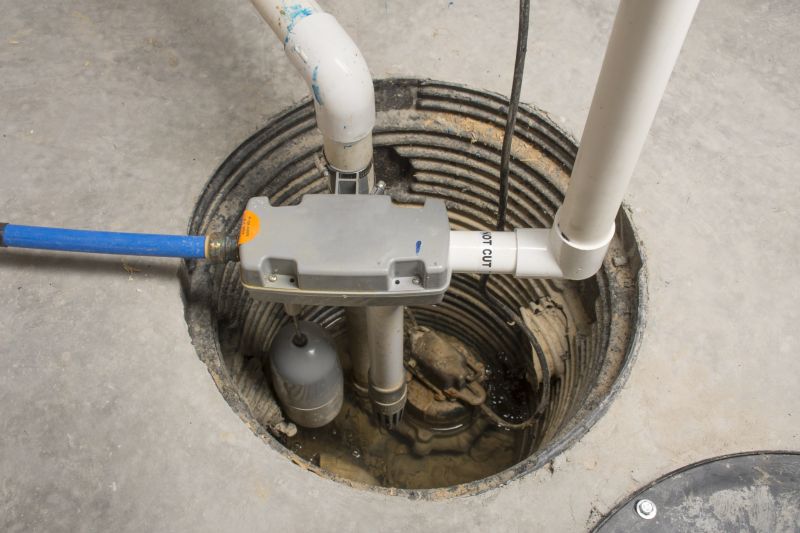
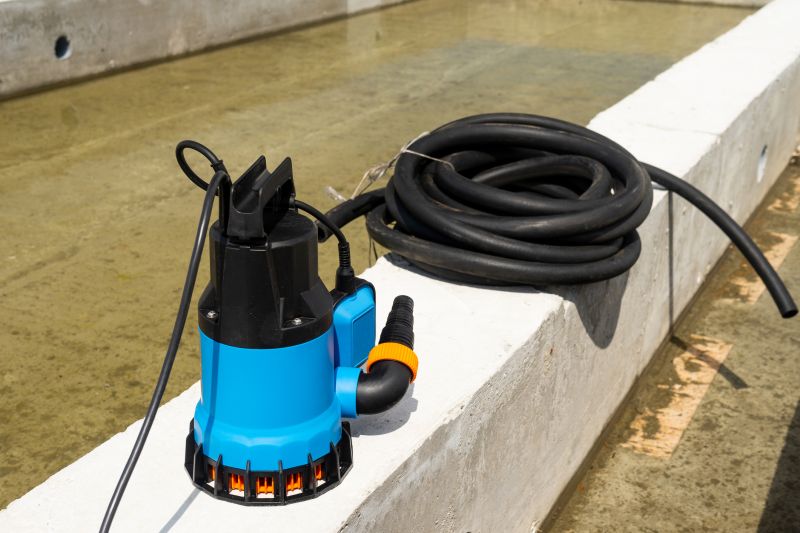
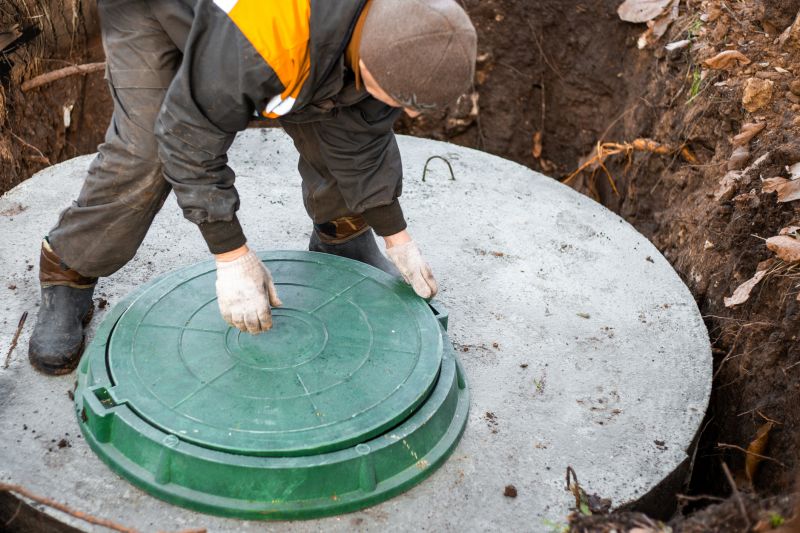
Sewer ejector pump installation involves setting up a specialized pump system designed to move wastewater from lower-level areas of a property to the main sewer line. This service typically includes installing a basin or tank where wastewater from fixtures such as toilets, sinks, or laundry machines is collected. The pump then actively pushes the collected waste upward through piping to reach the home's main sewer system. Proper installation ensures that wastewater flows smoothly and efficiently, preventing backups and reducing the risk of property damage caused by improper drainage.
This service is essential for resolving issues related to gravity drainage limitations in properties with below-grade bathrooms, kitchens, or laundry rooms. Homes built into hillsides or with basement bathrooms often face challenges with waste removal due to the natural terrain and plumbing layout. Without a functioning sewer ejector pump, these areas may experience slow drainage, foul odors, or even sewage backups. Installing a sewer ejector pump provides a reliable solution, helping to maintain proper sanitation and prevent costly repairs caused by wastewater overflows.
Many types of properties benefit from sewer ejector pump installation, including residential homes with basements, multi-story buildings, and properties with additions or renovations that create below-ground plumbing fixtures. In Asheville, NC, where hilly terrain is common, these systems are frequently needed in homes that have expanded or modified their plumbing layout. Commercial properties or rental units with lower-level bathrooms may also require ejector pumps to ensure proper waste removal. Service providers experienced in this work can assess the specific needs of each property and recommend the best system to ensure reliable operation.
When considering sewer ejector pump installation, homeowners should understand that this service addresses issues related to inadequate gravity drainage and helps prevent wastewater backups. If a property experiences persistent drainage problems in lower levels or has undergone recent renovations that added fixtures below the main sewer line, installing an ejector pump can be an effective solution. Local contractors who specialize in plumbing systems can evaluate the property’s layout, recommend appropriate equipment, and perform the installation to ensure the system functions correctly and efficiently.
The overview below groups typical Sewer Ejector Pump Installation projects into broad ranges so you can see how smaller, mid-sized, and larger jobs often compare in Asheville, NC.
In many markets, a large share of routine jobs stays in the lower and middle ranges, while only a smaller percentage of projects moves into the highest bands when the work is more complex or site conditions are harder than average.
Smaller Repairs - Typical costs for minor repairs or maintenance on sewer ejector pumps generally range from $250-$600. Many routine jobs fall within this middle range, depending on the specific issue and accessibility.
Standard Installation - Installing a new sewer ejector pump in a residential property usually costs between $1,200 and $3,000. Most projects in Asheville and nearby areas tend to land in this range, with variations based on the complexity of the setup.
Full System Replacement - Replacing an entire sewer ejector system can range from $3,500 to $6,500 or more. Larger, more complex projects or those involving additional plumbing work are more likely to reach the higher end of this spectrum.
Complex or Custom Projects - For custom installations or systems requiring extensive modifications, costs can exceed $7,000. These projects are less common but can include significant upgrades or specialized equipment needs handled by local contractors.
Actual totals will depend on details like access to the work area, the scope of the project, and the materials selected, so use these as general starting points rather than exact figures.
Basement Drainage System Installation - this project involves planning and installing systems to manage water flow, similar to configuring sewer ejector pumps for proper waste removal.
Stormwater Pump System Setup - installing pumps to handle excess rainwater requires skills in pump selection, electrical connections, and site planning akin to sewer ejector pump work.
Sump Pump Installation - setting up sump pumps in basements involves electrical wiring and drainage planning comparable to sewer ejector pump projects.
Wastewater Pumping Station Construction - designing and installing larger-scale pumping stations shares planning and heavy-duty pump handling skills with ejector pump installation.
Grinder Pump System Installation - integrating grinder pumps into plumbing systems requires similar knowledge of pump mechanics and sewage flow management.
Lift Station Construction - building lift stations for wastewater involves planning, site assessment, and pump installation comparable to ejector pump setups.
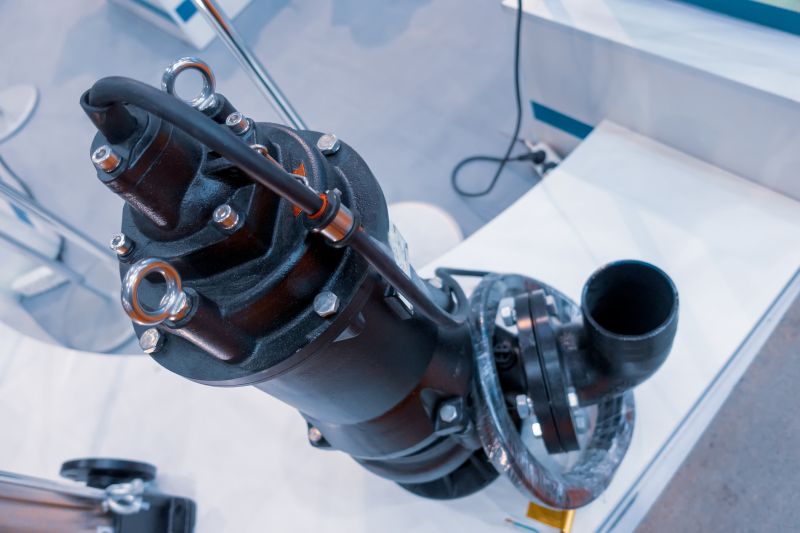
When comparing service providers for sewer ejector pump installation, it’s important to consider their experience with similar projects. Homeowners should look for local contractors who have a proven track record of handling ejector pump installations in residential settings similar to their own. An experienced professional will be familiar with the common challenges and best practices for such work, helping to ensure the project is completed efficiently and effectively. Asking about past projects or seeking references can provide insight into their familiarity with the specific requirements of sewer ejector systems.
Clear written expectations are essential when choosing a local contractor for this type of installation. Homeowners should seek providers who can offer detailed descriptions of the scope of work, including the materials used, the installation process, and any necessary preparations or follow-up steps. Having this information in writing helps prevent misunderstandings and ensures that both parties are aligned on the project’s goals. It’s also helpful to clarify what the contractor will deliver and what responsibilities the homeowner might have, fostering transparency from the outset.
Good communication and reputable references are key indicators of a reliable service provider. Homeowners should look for local contractors who are responsive to questions, provide clear explanations, and demonstrate professionalism throughout the inquiry process. Checking references or reviews from previous clients can offer valuable insights into their reliability, quality of work, and ability to meet deadlines. Ultimately, selecting a provider known for straightforward communication and positive feedback can contribute to a smoother installation experience and a successful outcome for the sewer ejector pump project.
Property owners in Asheville, NC use Sewer Ejector Pump Installation services for practical projects around their homes and businesses. This guide focuses on everyday jobs and straightforward project options.
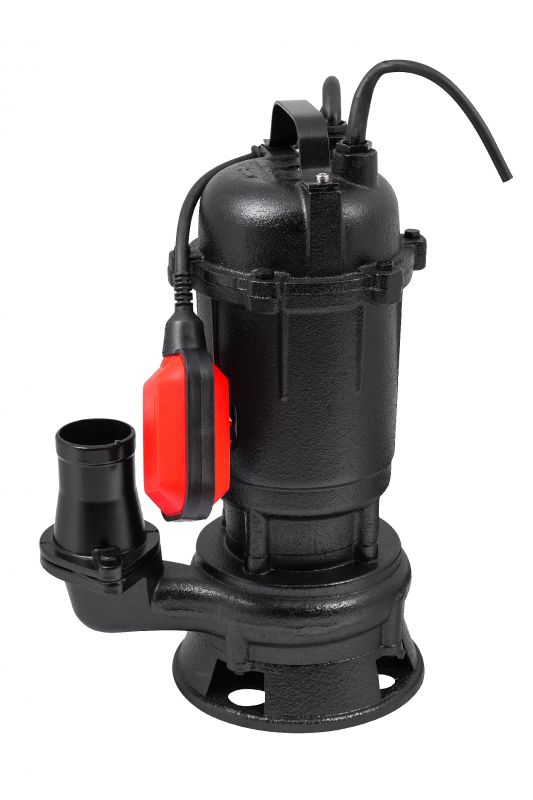
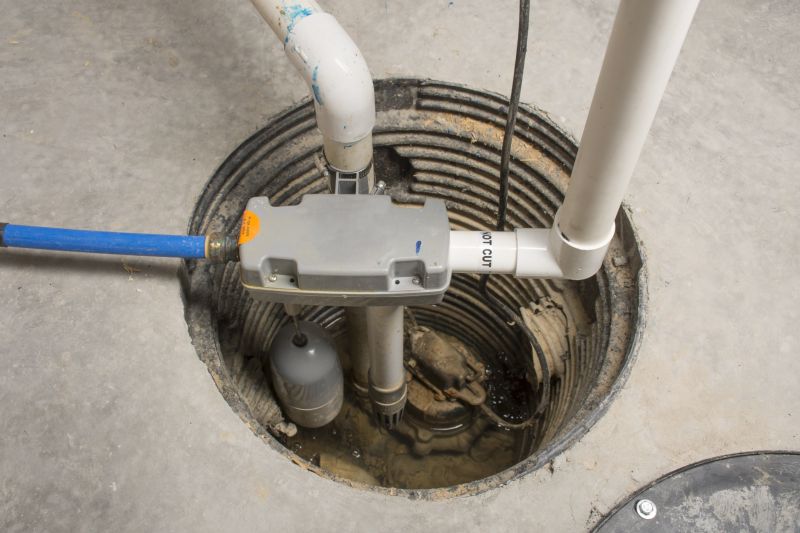
Sewer ejector pump installation services are often needed when property owners in Asheville, NC, are dealing with homes or buildings that have lower-level bathrooms or laundry areas located below the main sewer line. In these situations, a reliable pump is essential to ensure wastewater is properly transported to the main sewer system, preventing backups or flooding. Local contractors can assist with installing these systems during new construction or when upgrading existing plumbing to handle increased demands or resolve persistent drainage issues.
Additionally, property owners may seek sewer ejector pump services when experiencing slow drainage or foul odors originating from lower floors or basement areas. These signs can indicate that the existing pump or system is failing or that a new installation is needed to improve overall wastewater management. Local service providers are equipped to evaluate the specific needs of each property and handle installations that help maintain proper sanitation and prevent costly plumbing problems down the line.
What is a sewer ejector pump and why might I need one? A sewer ejector pump is a device that helps move wastewater from lower levels or basement bathrooms to the main sewer line. Local contractors can assess if installing one is necessary for your property’s plumbing system.
How do I know if my existing sewer system requires an ejector pump? Signs such as frequent backups, slow drainage, or wastewater pooling in basement fixtures may indicate the need for an ejector pump. A professional evaluation can determine the best solution.
What are the common installation locations for sewer ejector pumps? These pumps are typically installed in basements or lower levels where gravity flow isn’t sufficient to drain wastewater properly. Local service providers can recommend the optimal placement.
Are there different types of sewer ejector pumps available? Yes, there are various models designed for residential or commercial use, with features suited to specific plumbing needs. Local contractors can help select the right type for your property.
What maintenance is required for a sewer ejector pump? Regular inspections and occasional cleaning are recommended to ensure proper operation. Service providers can handle routine maintenance and repairs as needed.
Septic system upgrades - Property owners with aging septic systems can benefit from sewer ejector pump installation to improve waste flow and prevent backups.
Basement bathroom additions - Installing a sewer ejector pump makes it possible to add bathrooms in below-grade spaces where gravity drainage isn't feasible.
Remodeling projects - Home renovations that involve finishing or expanding basement areas may require sewer ejector pumps to ensure proper wastewater removal.
Property expansion - Expanding living or storage spaces often involves new plumbing lines, where local contractors can install sewer ejector pumps to support these upgrades.
If you are thinking about Sewer Ejector Pump Installation for a property in Asheville, NC, this guide is meant to help you understand the work, the typical project types, and how different options might fit your plans.
When you are ready, you can use the quote form on this page to share a few details about your project. From there, local pros can review the basics and respond with options that match what you have in mind.